
Home
One Platform. Three Architectures.
Hydrogen pipeline projects face different combinations of safety requirements, site conditions, available infrastructure, regulatory requirements, and economic constraints. H2C Safety Pipe has developed three purpose-built architectures to address these requirements.
From high-assurance dual containment and continuous monitoring, to reuse of existing infrastructure, and cost-optimized composite pipeline deployment, each architecture can be tailored to the requirements of the specific project.
01 / High-Assurance Architecture
Maximum Containment and Continuous Operational Visibility
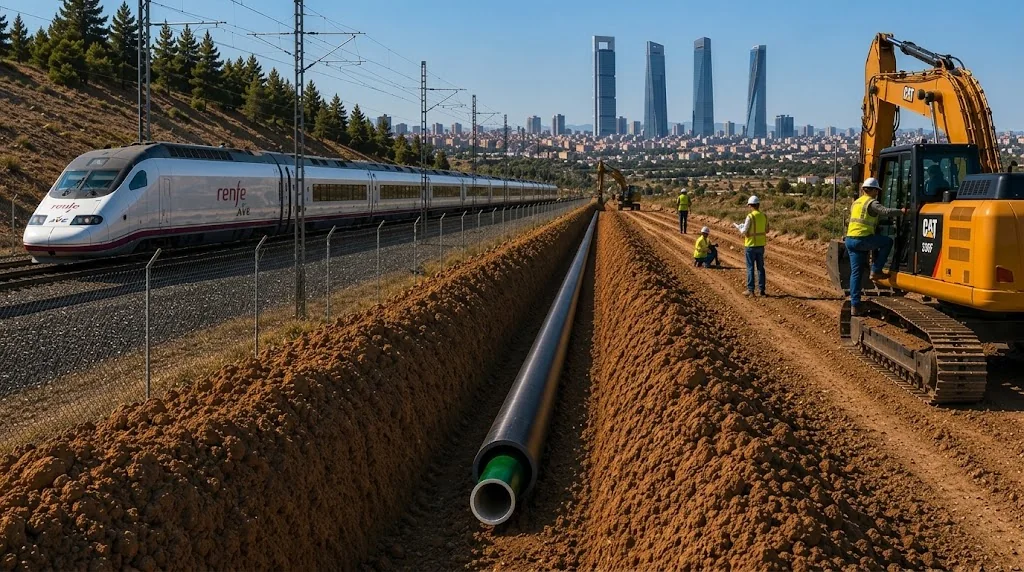
H2C Safety Pipe’s High-Assurance Architecture is designed for applications where minimizing hydrogen leakage, providing secondary containment, and maintaining continuous awareness of pipeline operating conditions are particularly important.
The hydrogen carrier pipe is installed inside an outer safety pipe, creating an annular space between the two. The annulus can be continuously swept with an inert gas such as nitrogen and monitored using hydrogen sensors, enabling even very small quantities of hydrogen escaping from the carrier pipe, as well as changes in those levels over time, to be detected before a larger safety concern develops.
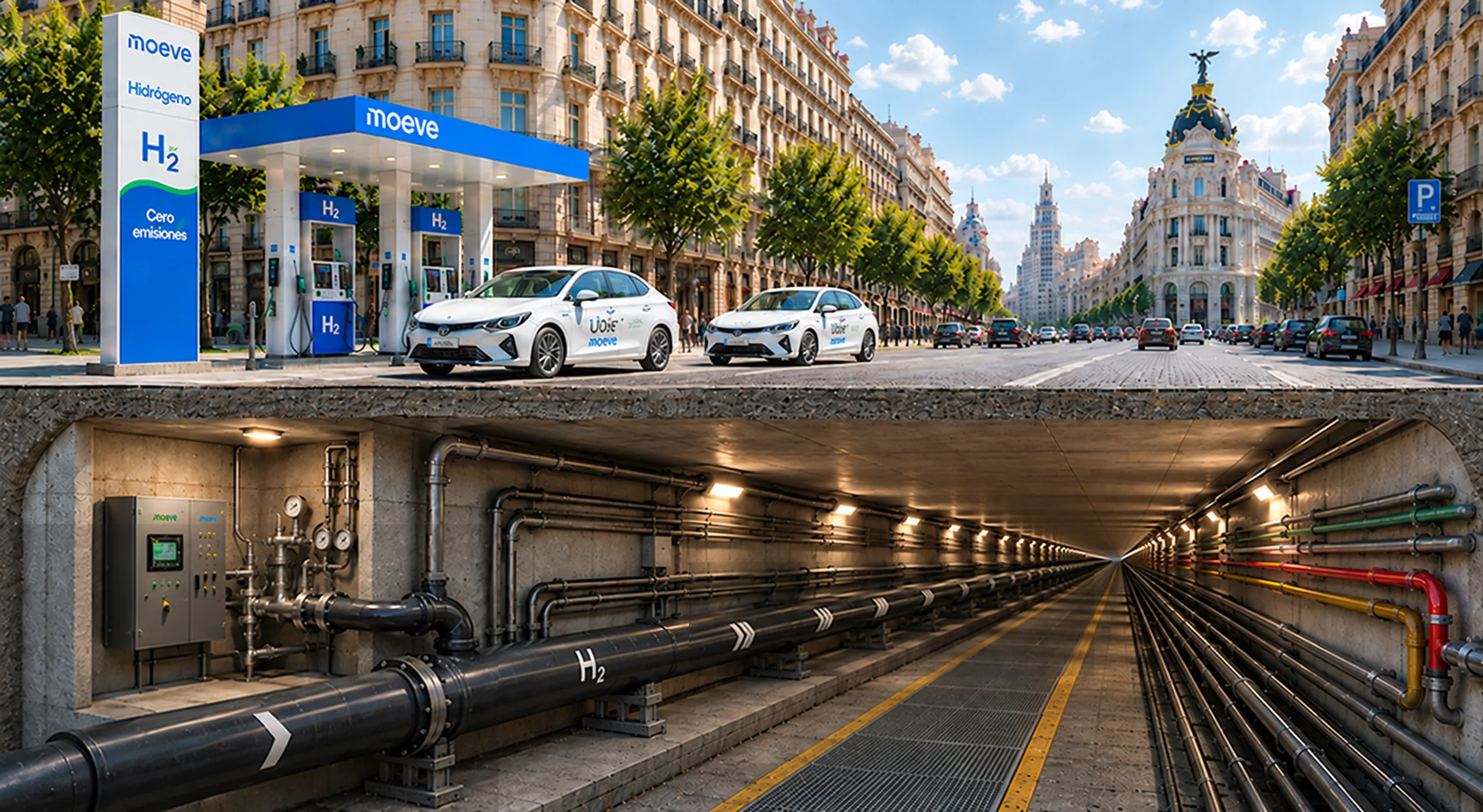
This architecture is particularly suited to sensitive locations, including in populated areas and along transportation corridors; applications in utility tunnels and other underground infrastructure; and other environments where the consequences of an uncontrolled release of hydrogen warrant additional layers of protection.
Designed For
Urban and sensitive areas
Transportation corridors
High-consequence locations
Key Attributes
Dual containment
Continuous monitoring
Leak detection and mitigation
Deployment Options
New rights-of-way
Existing corridors
Underground infrastructure
02 / Infrastructure Re-Use Architecture
Putting existing infrastructure to work to reduce cost and disruption
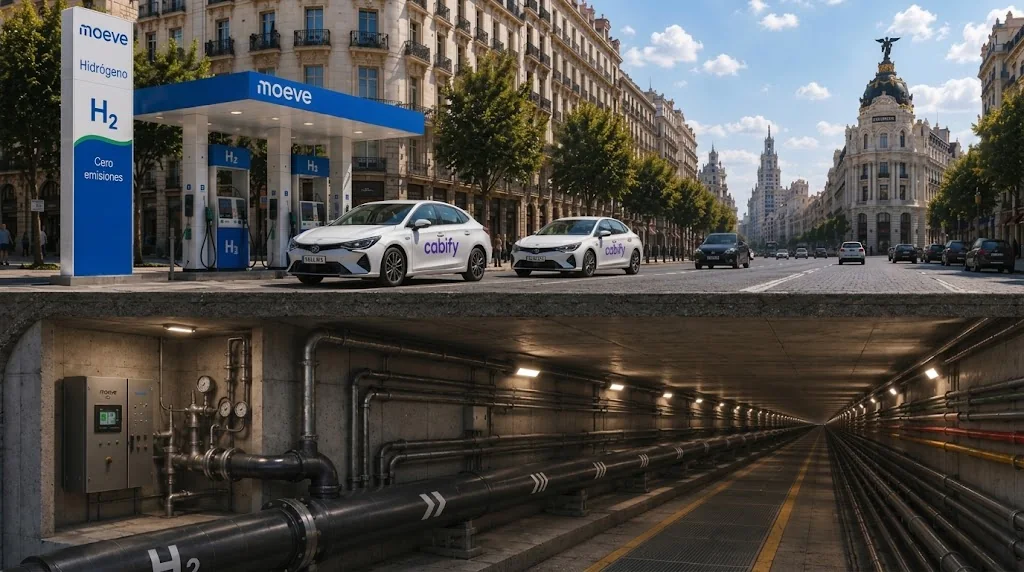
H2C Safety Pipe’s Infrastructure Re-Use Architecture is designed for applications where existing pipelines, tunnels, utility corridors, or other underground infrastructure can be leveraged to reduce new construction, surface disruption, project cost, and deployment time.
In these applications, a new hydrogen carrier pipe is installed within the existing infrastructure. Because the new carrier pipe provides the hydrogen pressure boundary, the existing asset does not need to be relied upon to contain hydrogen at operating pressure, allowing infrastructure that might otherwise be unsuitable for hydrogen service to be repurposed as a conduit for new hydrogen transport and distribution lines.
Depending on the application, existing pipelines can provide a protected pathway for the new hydrogen carrier pipe, while tunnels, utility galleries, and other underground infrastructure can provide established corridors that reduce the need for new excavation and rights-of-way. This approach can preserve the value of existing infrastructure while reducing construction requirements, surface disruption, cost, and time to deployment.
Designed For
Existing or legacy pipelines
Constrained rights-of-way
Excavation-sensitive locations
Key Attributes
New hydrogen pressure boundary
Reduced excavation
Reduced surface disruption
Deployment Options
Utility galleries and legacy pipelines
Sewer and stormwater infrastructure
Other underground infrastructure
03 / Cost-Optimized Re-Use Architecture
For cases where simplicity, long-term durability, and cost efficiency are primary objectives
H2C Safety Pipe’s Cost-Optimized Architecture is designed for applications where simplicity, long-term durability, and cost efficiency are the primary objectives. It uses composite pipe as the hydrogen pressure boundary in a streamlined configuration that can be tailored to project-specific operating, safety, and regulatory requirements.
Advances in composite pipeline technology enable a broad range of diameters and operating pressures while avoiding the corrosion and hydrogen embrittlement concerns associated with steel pipelines. Spooled composite pipe can also reduce field joining and accelerate installation, helping lower both construction and lifecycle costs.
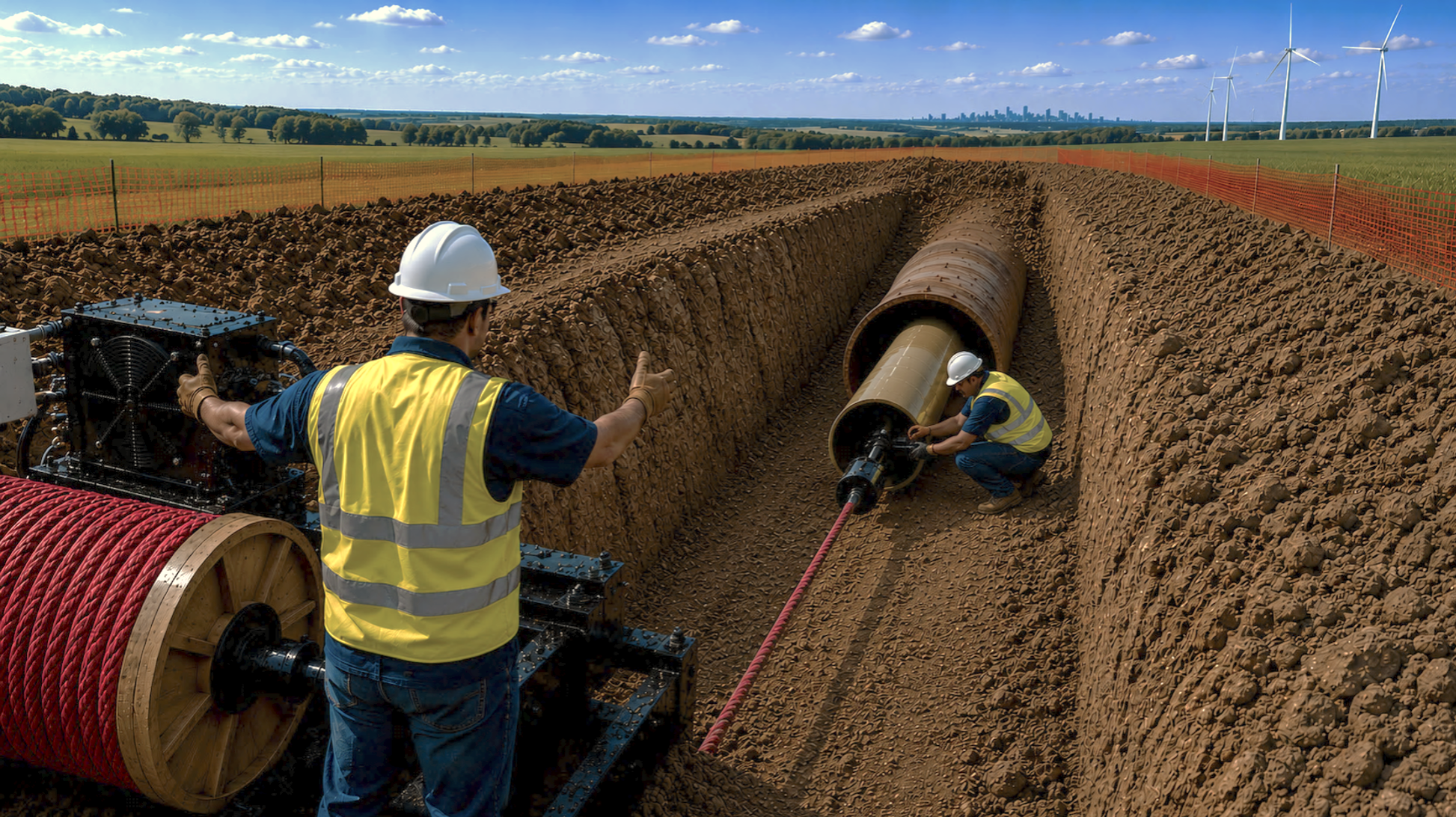
The architecture can be deployed in new construction or, where appropriate, by installing the composite carrier within an existing pipeline. Because the composite pipe provides the hydrogen pressure boundary, this approach can expand the range of existing natural gas and other pipelines that may be suitable for reuse while avoiding the need to construct an entirely new pipeline corridor.
New Construction
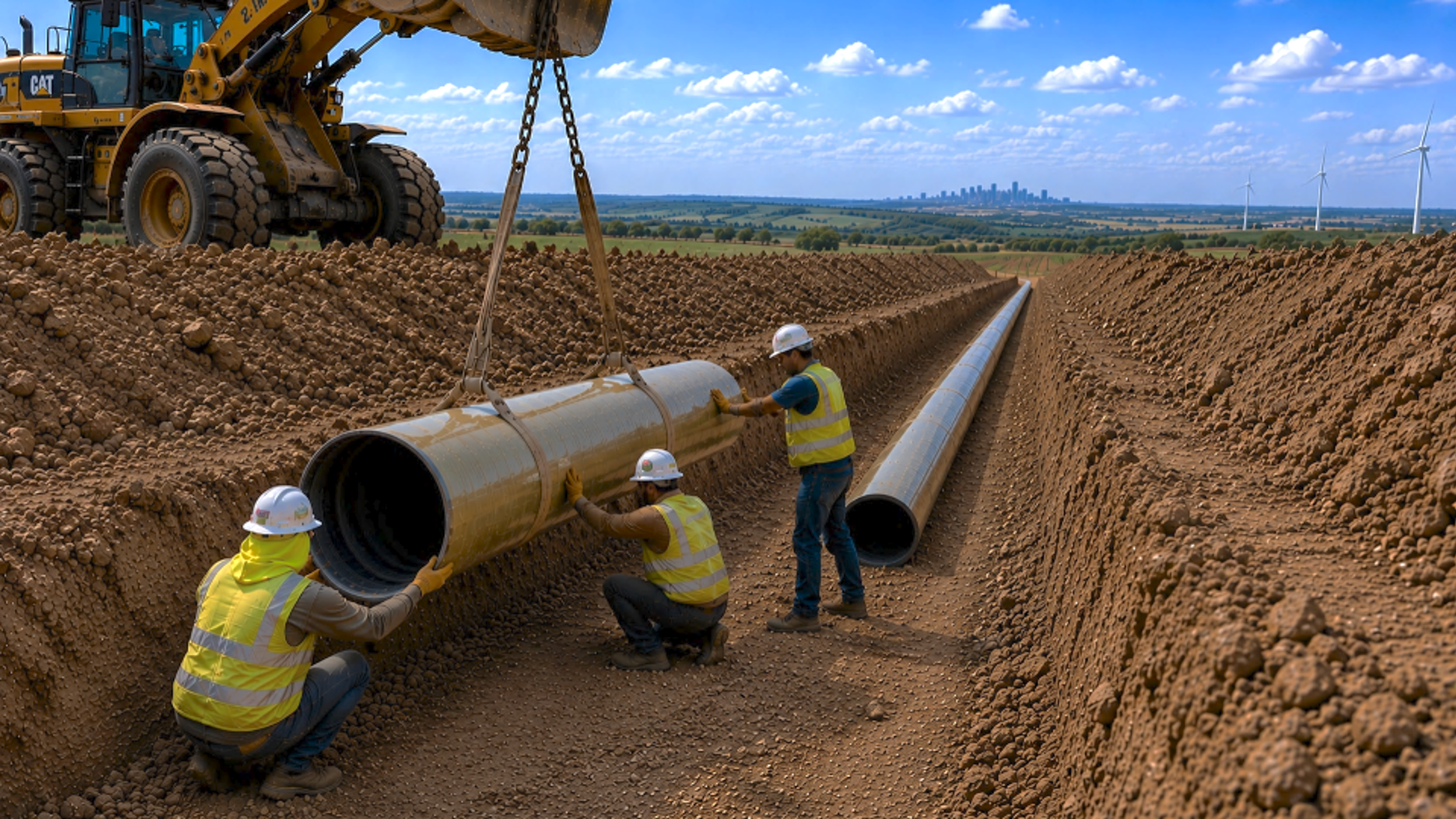
Composite hydrogen pipeline installed in a new corridor. Available pipe diameters span from 2” to 48”, with pressure ratings up to 2500 psi depending on pipe type and diameter.
Installation in Existing Pipeline
New composite hydrogen carrier pipe installed within an existing pipeline. The existing pipeline does not need to serve as the hydrogen pressure boundary.
Designed For
Cost-sensitive projects
Longer-distance pipelines
Applications not requiring dual-containment
Key Attributes
New hydrogen pressure boundary
Corrosion and embrittlement resistant
Simplified installation
Deployment Options
New construction
Existing rights-of-way
Insertion in existing pipelines
Finding the Right Architecture for Your Project
Every hydrogen project presents a different combination of operating requirements, site conditions, existing infrastructure, safety considerations, and economic objectives. H2C Safety Pipe works with hydrogen producers, off-takers, infrastructure developers and owners, engineering teams, and communities through which hydrogen pipelines are contemplated to evaluate those requirements and identify the architecture and deployment approach best suited to each application.
